What is Asado? A Local’s Deep Dive into the Argentine Ritual
Updated
A quasi-religious practice, an almost dogmatic act. Unhurried enjoyment, the perfect moment to gather our people, an excuse to share, rich aromas. Those are the answers that immediately come up when we ask our local guides what is asado. It is pretty crazy to think that a meal can be defined by words that seemingly have nothing to do with gastronomy; and yet, they have absolutely everything to do with it.
If you are trying to figure out the real difference in the asado vs barbecue debate, you have to throw out the idea of a quick weekend cookout. In Argentina, this is a prehistoric practice sustained in the modern world. It is a social event with no set schedule. You do not check your watch. You arrive early, pour a drink, and surrender to the rhythm of the embers.
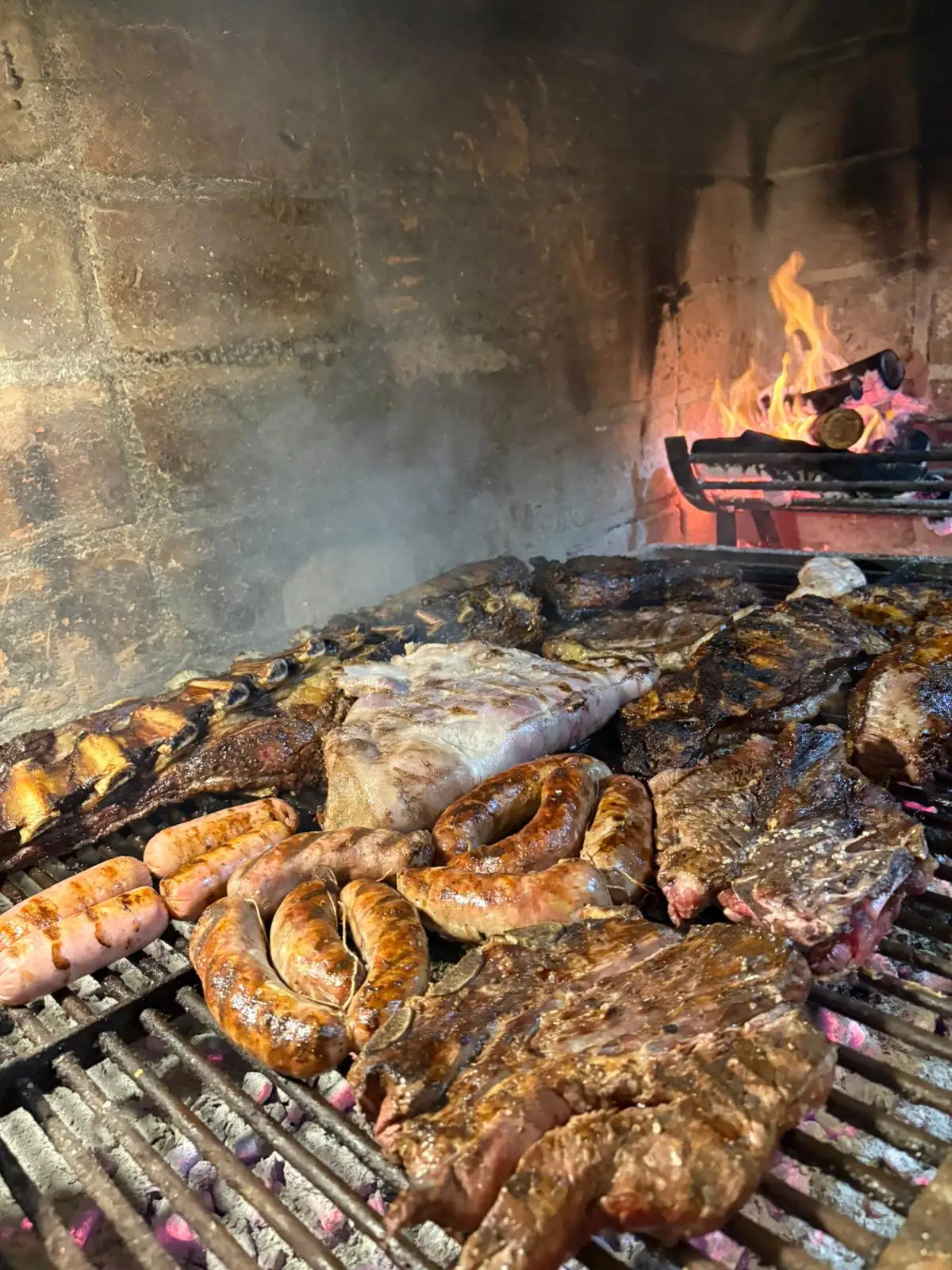
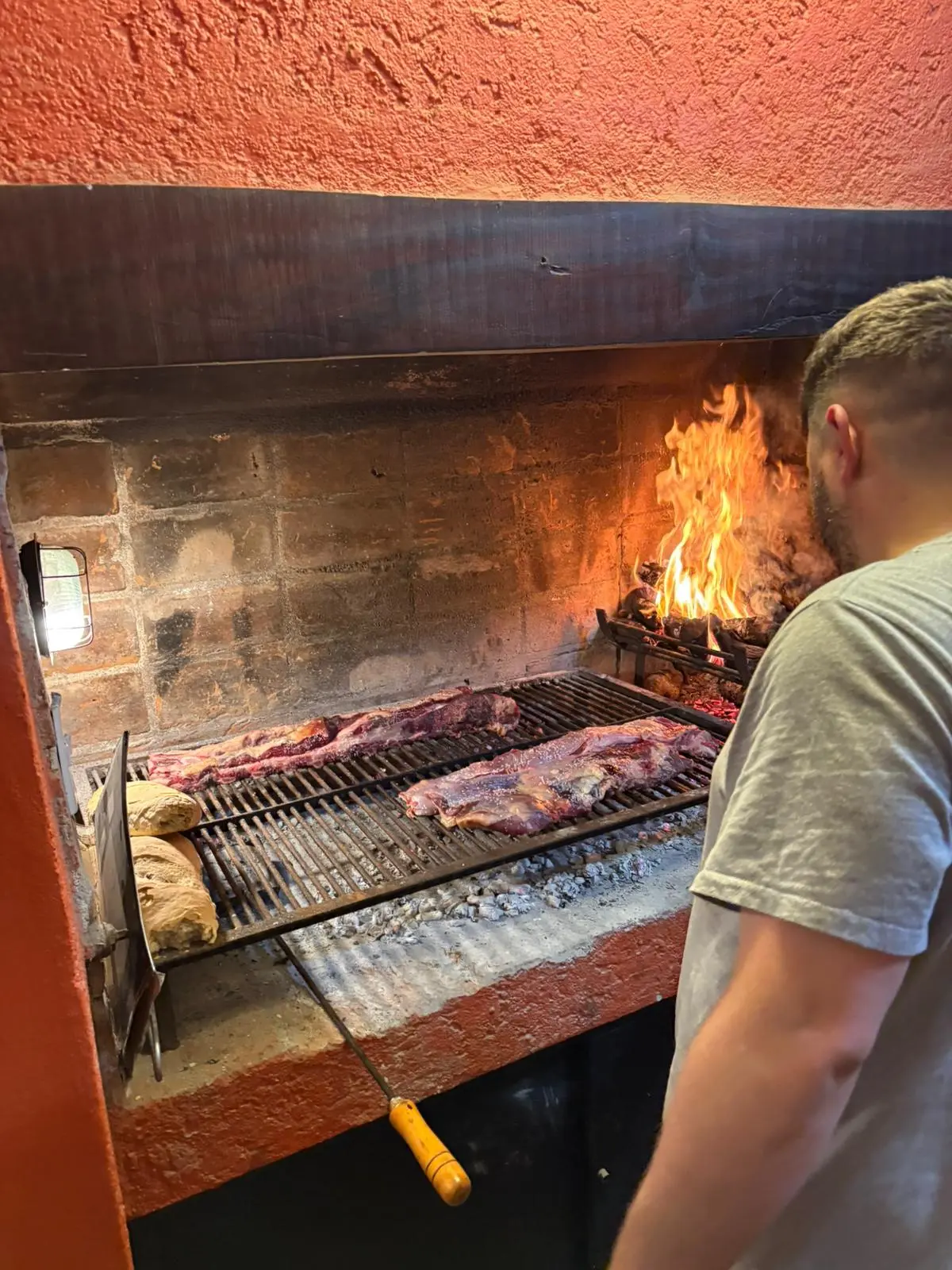
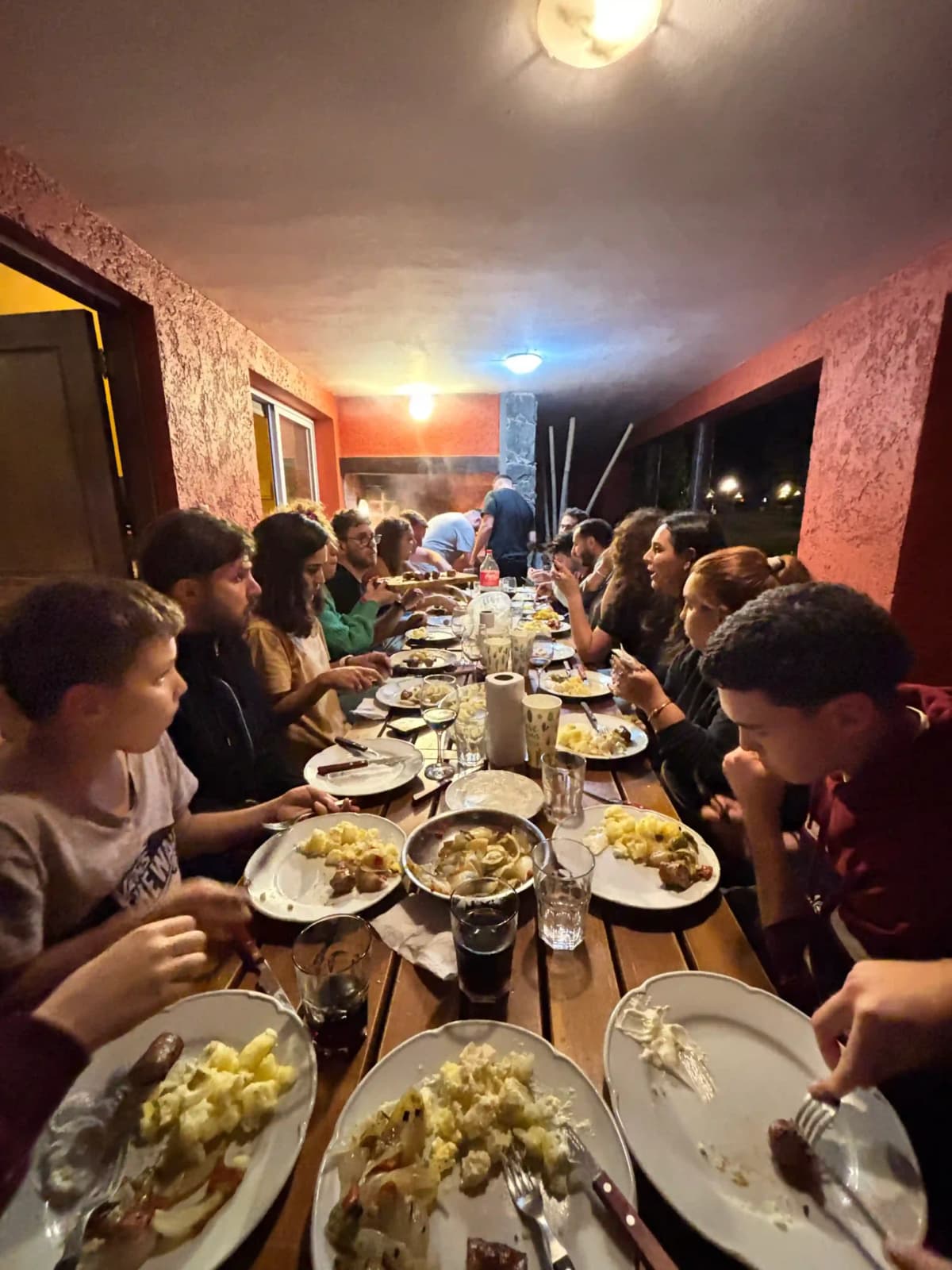
The ritual starts long before the meat hits the grill. While the fire catches, pouring that first drink is practically law. A tall, ice-cold glass of Fernet with cola or a robust Malbec is the mandatory co-pilot for whoever is manning the iron grates. It is an event where we take our time, eat slowly, and let the conversation stretch into the evening.
But there is also a serious culinary science behind the romance. In this guide, we are going deep. We will break down exactly why argentine meat is world-class, walk you through the traditional stages of the tasting menu, and give you the ultimate cheat sheet on the best way to cook an asado yourself.
Before the Fire: The Cult of Argentine Meat
Why is it so good?
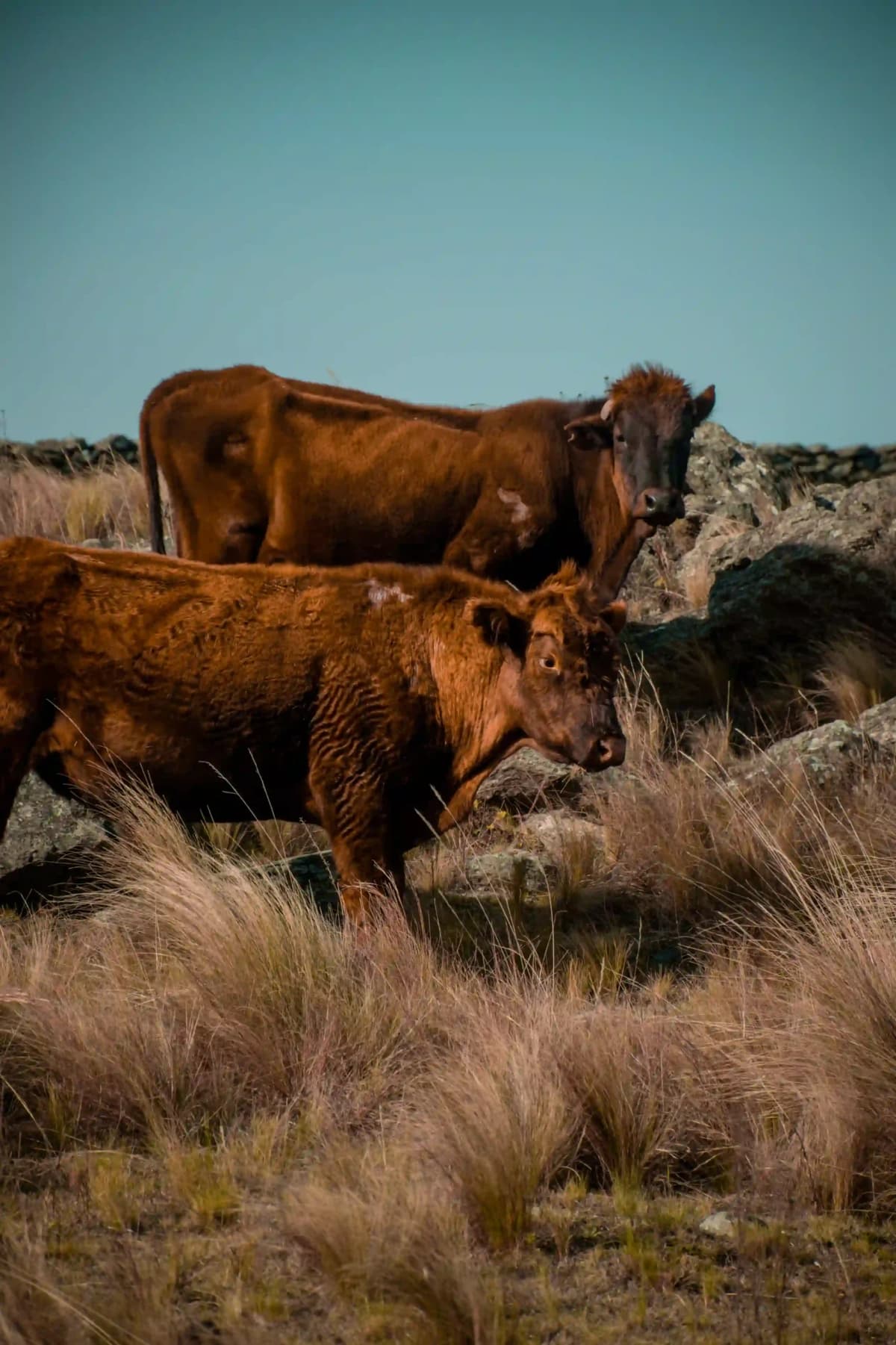
The global fame of our beef is no accident; it is the direct result of our geography and tradition. The cattle roam freely across the massive, flat plains of the Pampas, feeding exclusively on nutrient-rich natural grass rather than grain. This lifestyle produces argentine meat that is naturally lean, incredibly tender, and packed with a deep, earthy flavor that industrial feedlots simply cannot replicate.
The respect for the raw product is absolute. The entire process, from raising the cattle to the butchering, is designed to protect that quality, ensuring the ingredient shines entirely on its own before it ever even touches a flame.
Top Butcher Shops in Buenos Aires
In Buenos Aires, butcher shops have evolved from simple neighborhood counters into culinary destinations. If you want to see the product at its peak, these institutions treat every cut with serious reverence:
- Don Julio: Beyond its international acclaim as a steakhouse, their butcher counter is a masterclass in meat selection and dry-aging.
- Cabaña Juramento: An essential benchmark for anyone looking for flawlessly sourced cuts and unwavering quality.
- Carnicería Corte Comedor: Their aged cuts are the gold standard for any serious asado.
Visiting these spots makes one thing clear: the excellence of an asado begins long before you light the match. It starts with choosing a world-class ingredient.
Beef Cuts: How to Eat an Asado in Stages
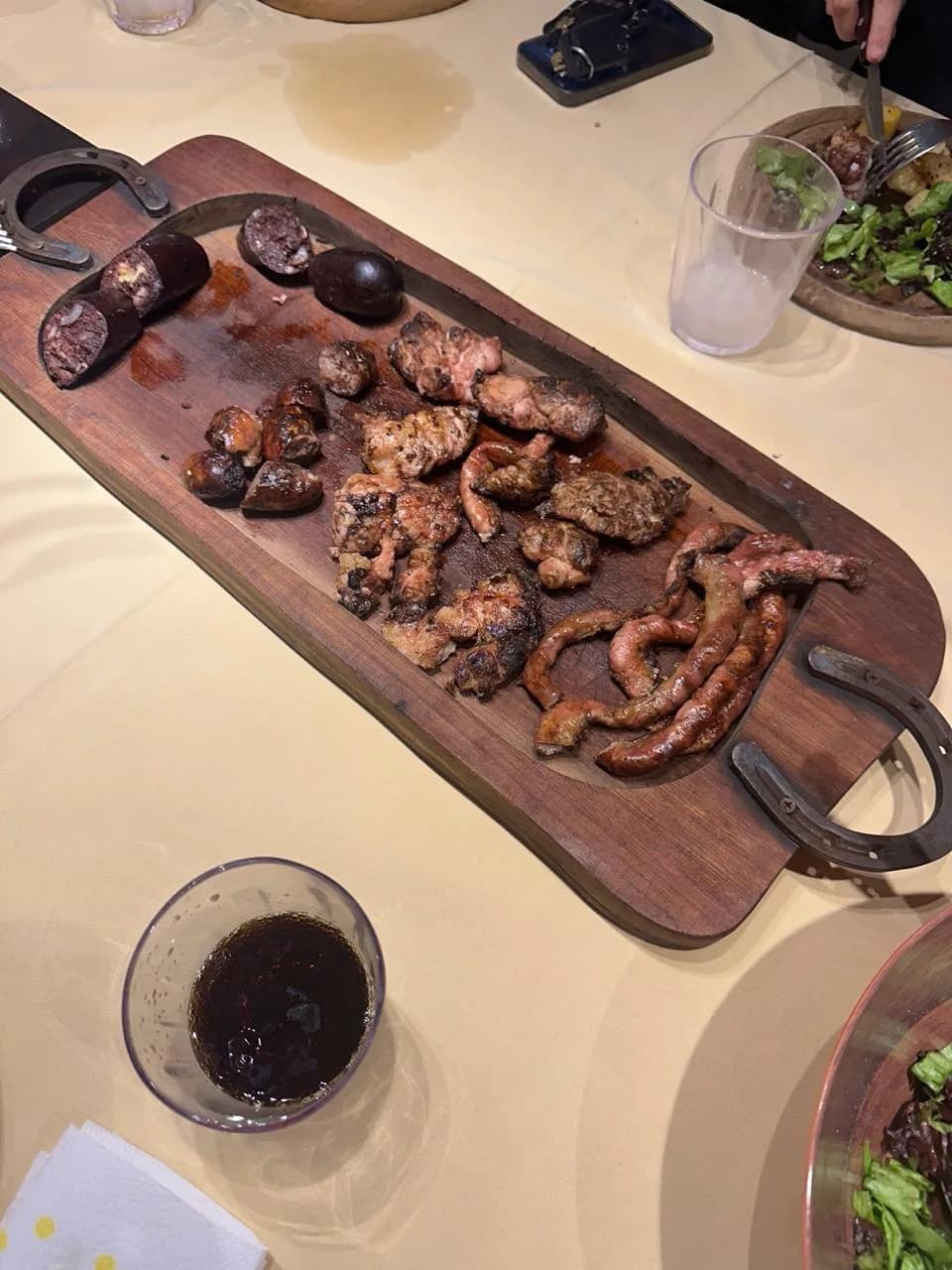
First of all, it is important to highlight that an asado is NEVER served all at once on a single plate. Instead, it is kind of a multi-course tasting menu that comes straight off the grill to a shared wooden cutting board. You eat piece by piece as the meat is ready.
This continuous flow is a massive challenge for the asador. Every single cut has its own specific cooking time and must be pulled off the fire at the exact doneness the guests prefer, all while following a strict serving order. It requires a mental stopwatch, placing each piece of meat over the coals at the exact right moment to orchestrate the meal perfectly.
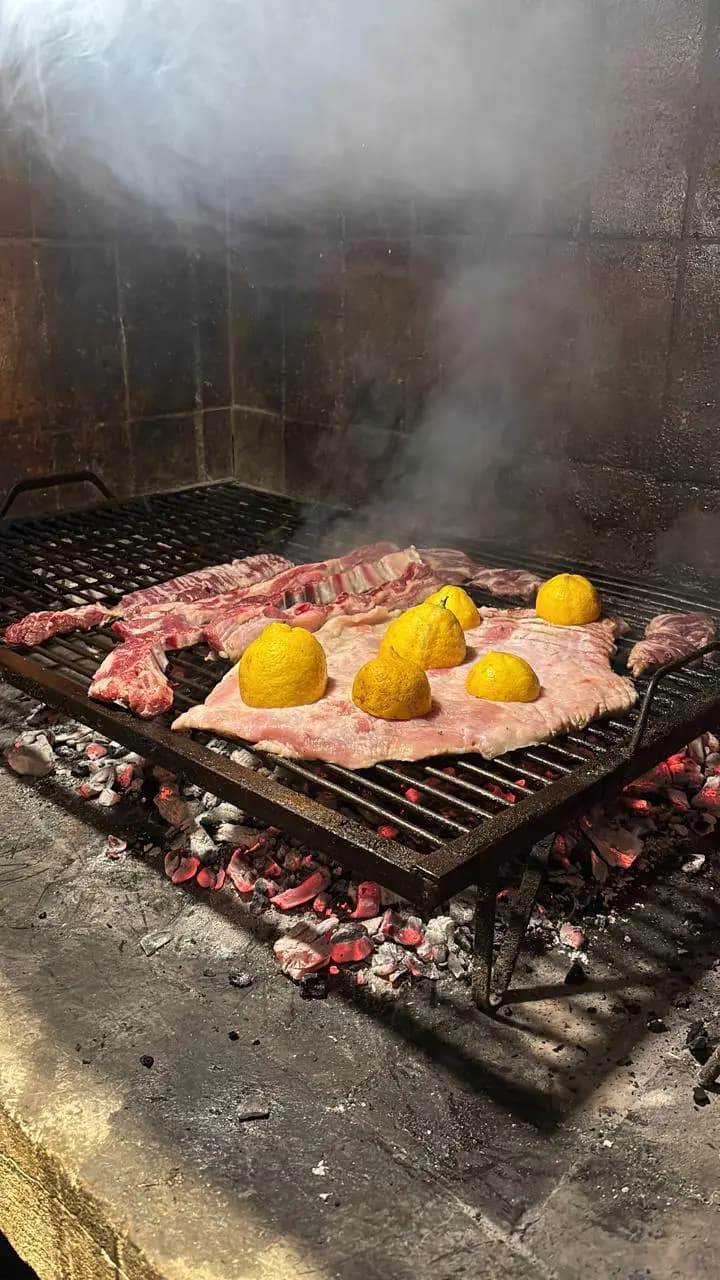
Honestly, while I know my way around the table, I am no expert behind the grill. I am always deeply impressed by someone who can manage that fire, and I never get used to seeing a true master at work. It is exactly why every gathering ends with a mandatory, loud «¡Un aplauso para el asador!» (A round of applause for the grill master). They absolutely earn it.
Just to be clear before we dive in: the breakdown below is the order in which we eat, which is entirely different from the order things are placed on the grill.
Round 1: The Starters
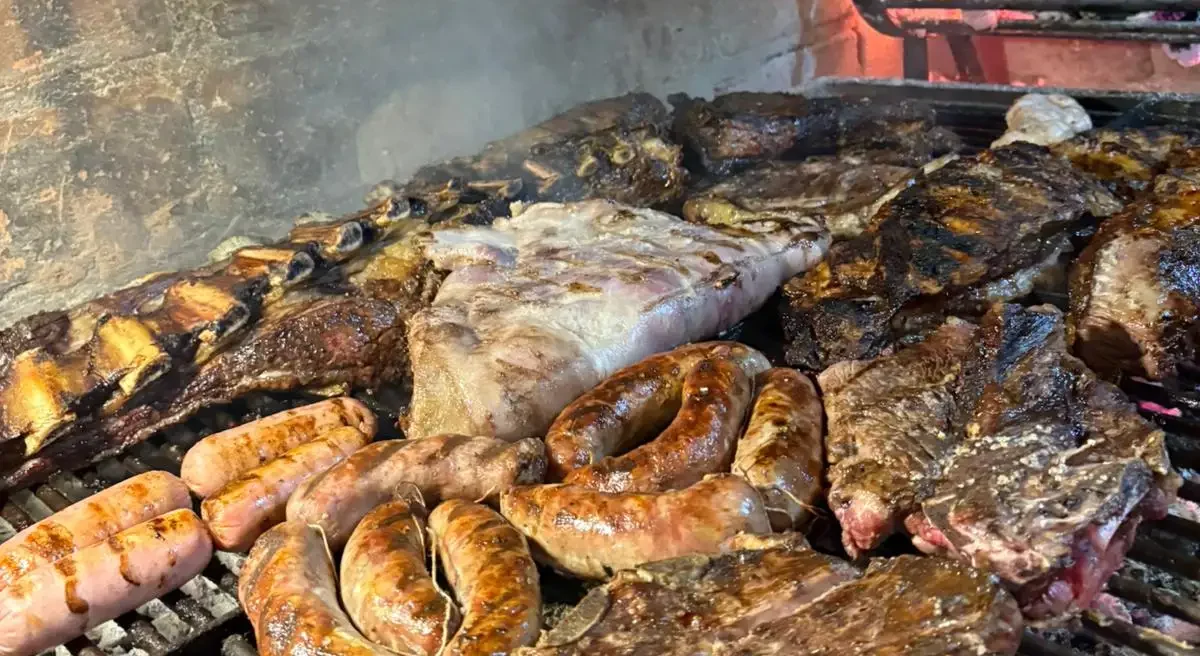
Everything kicks off with the classics: Chorizo (pork sausage) and Morcilla (a rich, spiced blood sausage). Throw a hot chorizo inside a piece of crusty bread, and you have the legendary street food staple known as the choripán.
Round 2: Las Achuras (The Offal)
Please, do yourself a favor and do not skip this.
- Mollejas (Sweetbreads): It is the caviar of the grill. Cooked slowly over the embers until they develop a crispy crust and a creamy, melt-in-your-mouth interior, they are traditionally finished with a heavy squeeze of fresh lemon.
- Chinchulines (Chitterlings): Intensely flavorful, crunchy, and my favorite achuras. They require serious skill from the asador to prepare perfectly, but when done right, they are a true local delicacy.
Round 3: The Main Event
These are the heavy hitters that require patience and a slow fire.
- Matambre: A thin, highly flavorful cut of rose meat that gets incredibly crispy over the hot coals. It means «Hunger killer». I love how literal we could get.
- Costilla (Asado de Tira): Short ribs cut crosswise across the bone. The meat near the bone is packed with fat and deep flavor, demanding a low and slow cook to reach absolute perfection. You should start placing the bone against the embers.
- Vacío (Flank): A thick, fibrous cut with a layer of fat on the outside that crisps up beautifully. Slicing into a perfectly cooked vacío on the wooden board is usually the peak moment of the meal.
The Traditional Sides
We do not drown our meat in heavy, sugary BBQ sauces. Instead, we rely on three traditional accompaniments to cut through the richness of the fat: Chimichurri (a mix of fresh parsley, garlic, oregano, vinegar, and oil), Salsa Criolla (diced onions, bell peppers, and tomatoes in vinegar), and Provenzal (a potent, simple mix of chopped garlic and parsley).
Even though the three of them are good, the meat does not need any extras to be delicious.
How to Host Your Own Argentine Asado at Home
Though Buenos Aires is filled with excelent steakhouses, if you happen to be renting a place with a parrilla , you should give it a try and host your own asado. Experiencing the ritual from the other side of the fire is something every traveler should do at least once. But before we get into the tips, remember what i said: everything starts with the ingredients. You cannot rush a bad cut of meat into being good. Take the time to visit a proper butcher and buy high-quality cuts.
Once you have the meat, it is time to face the fire.
Choosing the Fuel: Wood vs. Charcoal
Your first big decision is what to burn.
- Carbón (Hardwood Charcoal): This is the go-to for most weekend asadores and definitely what you should use if it is your first time. It lights faster, provides consistent heat, and is much easier to manage.
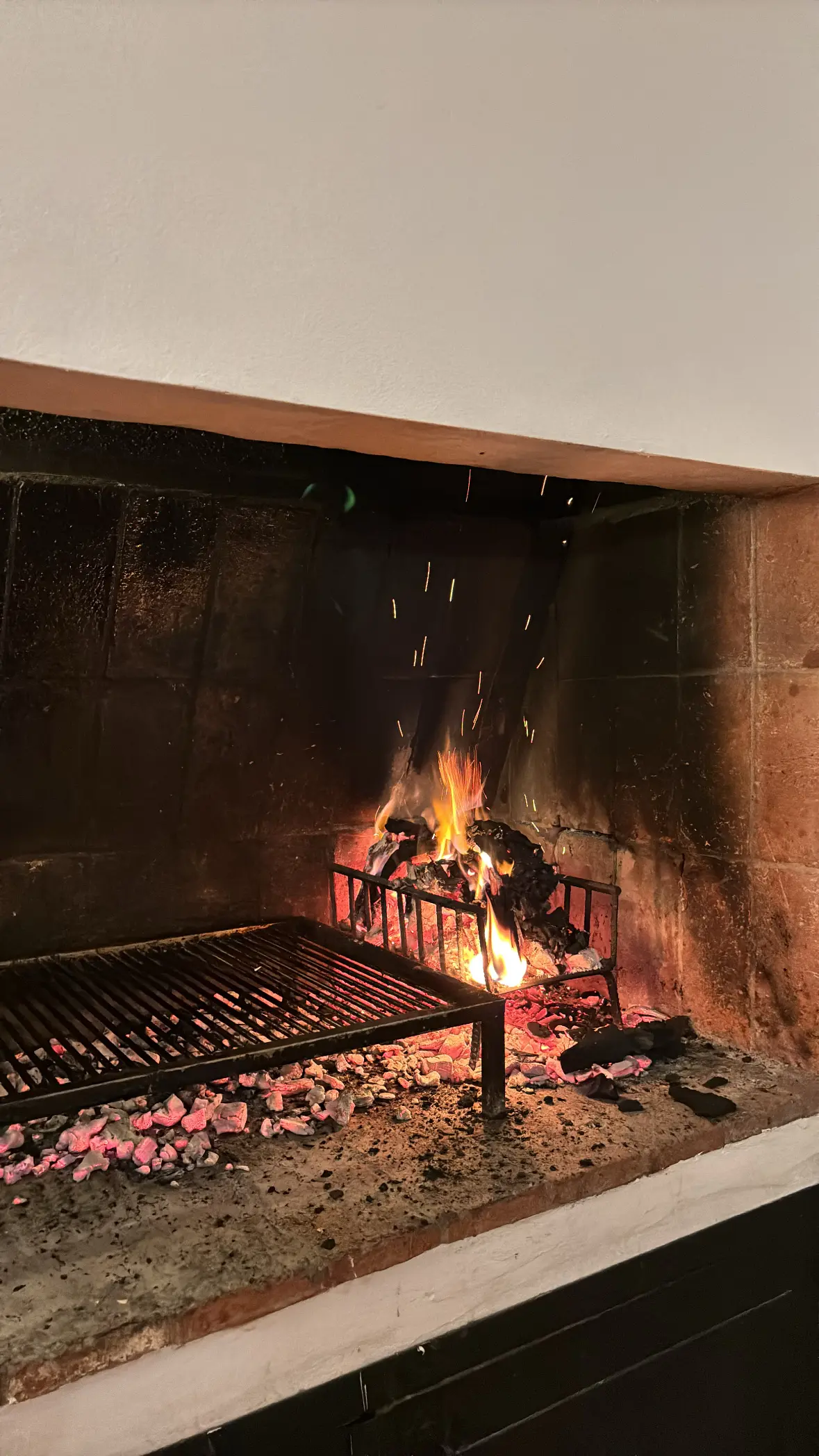
- Leña (Firewood): This is the traditional, romantic route. It gives the meat a deeply authentic, smoky flavor, but it requires much more time and skill to break down into usable embers.
Lighting the Fire (The Hairdryer Trick)
Building the fire is almost an art form. You start with a base of crumpled paper (do you know how many times i passed at school and used my notes?), add kindling or small pieces of wood, and stack your charcoal on top so it can catch the flame. Fundamentalists will tell you that using chemical fire starters or blowing air onto the fire is a sin. However, if this is your first time, take all the help you can get (be careful!). Honestly, I have even seen my own brother pull out a hair dryer to get a stubborn fire going. No judgment here, just get those embers glowing red.
Meat, Timing and Embers
Because you are serving a tasting menu, you need a strategy. I highly recommend mentally listing the order in which things go on the grill and the amount of heat they need.
- The Long Game (Low Heat): Thick, bone-in cuts like Costilla (Asado de Tira) and thick fibrous cuts like Vacío go on first. They need a steady, low heat and can take up to two hours to cook perfectly.
- The Middle Ground (Medium Heat): Achuras like mollejas and chinchulines take a while to get crispy and render their fat, so get them on early with a moderate amount of embers.
- The Fast Track (High Heat): Chorizo and Morcilla are quick. The Morcilla is already cooked and just needs to be heated through, while the Chorizo takes about 30 to 40 minutes. Thin cuts like Matambre also cook very fast over high heat and should go on last.
The Sherpa Cheat Sheet
To make sure your event is a success, keep these core rules in mind:
- Lie about the start time: Remember, this is a social event. Tell your friends to come over at 1:00 PM, knowing full well that the main cuts will not hit the table until at least 3:30 PM.
- Keep the crowd happy: Because of the timeline mentioned above, a picada is mandatory. Put out a wooden board with salami, cheese, olives, and fresh bread so your guests have something to snack on while they wait.
- Respect the embers: Do not rush the fire. Wait until the hot coals are covered in a thin layer of white ash before you pull them under the grill. If there are black, unburned pieces of charcoal touching your meat, you are doing it wrong.
- Salt is your only seasoning: Generously salt the raw meat with sal parrillera right before it hits the grates. That is all high-quality argentine meat needs.
- Keep the drinks flowing: The asador should never have an empty glass. Have a bottle of robust Malbec open, or mix up a tall, ice-cold glass of Fernet with cola to sip while the smoke does its work.
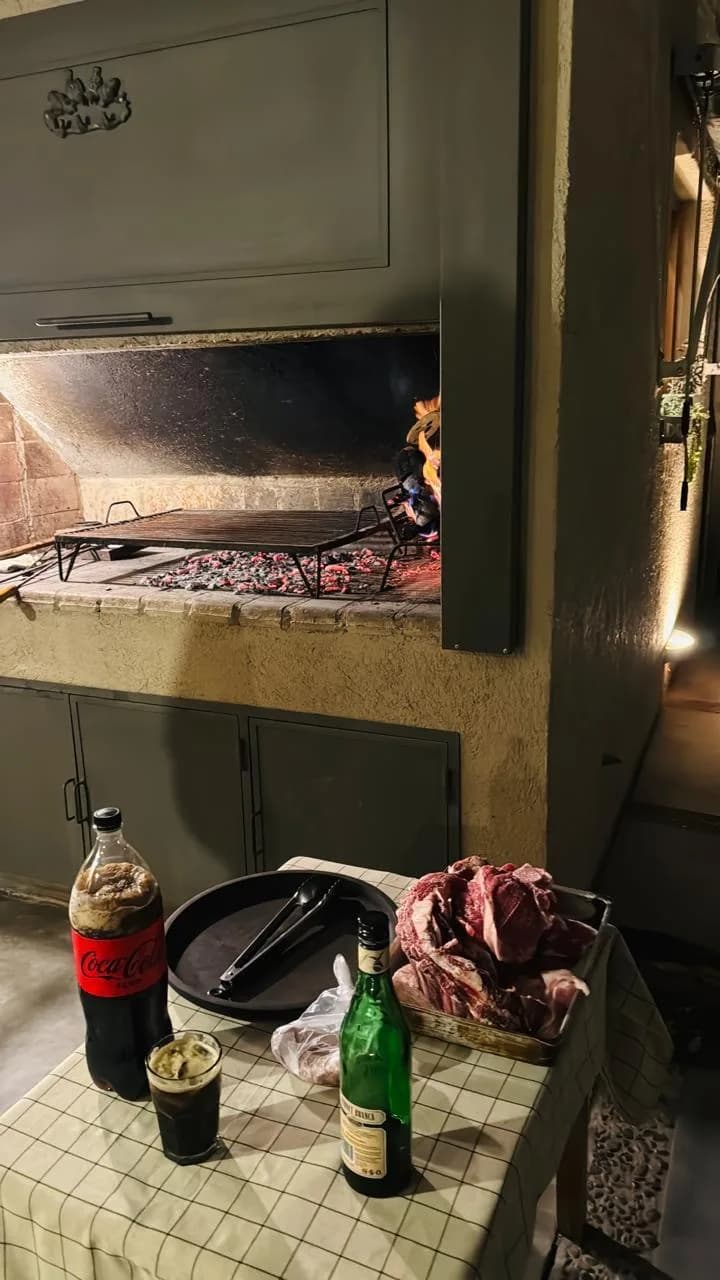
The Fire is Waiting
So, if anyone ever asks you what is asado, you now have the full breakdown. You know the cuts, you know the strict rules of the embers, and you understand that a true asado in argentina is taking your time and enjoying the people you share it with.
If you are still building your culinary itinerary and want to know what else belongs on your plate, keep exploring our guides to discover exactly what to eat in Buenos Aires beyond the grill.
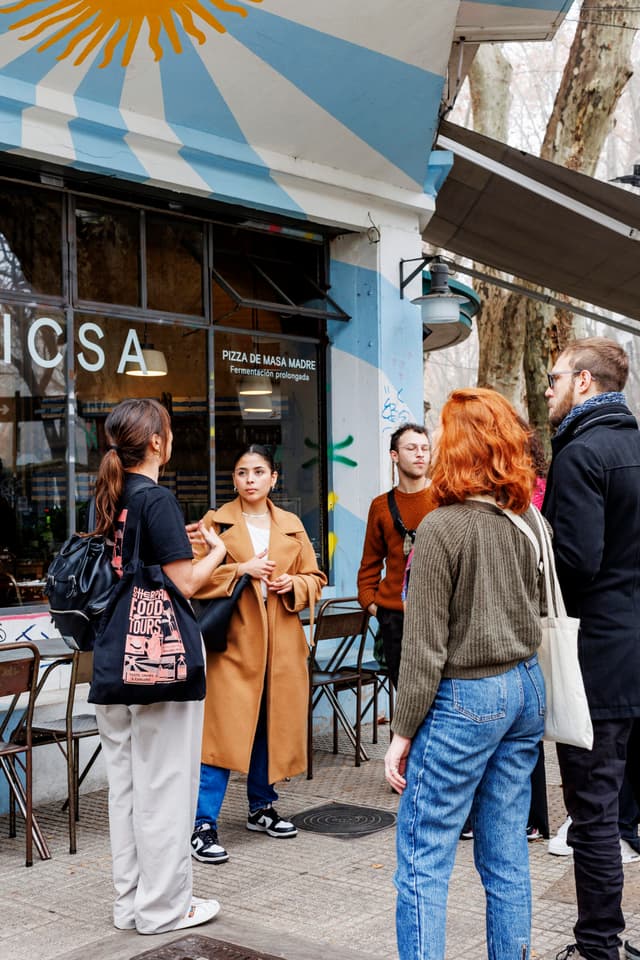
But let’s be honest: reading about the smoke and the sizzle will only get you so far. If you want to skip the theory and get straight to the tasting, come walk the streets with us. Join one of our Sherpa food tours to eat your way through the neighborhoods alongside a local guide. And yes, stopping at a classic neighborhood parrilla to grab a bite of perfectly charred argentine meat straight off the fire is just one of the many delicious steps on our route.
Pull up a chair, grab a glass, and let us show you how this city actually tastes.