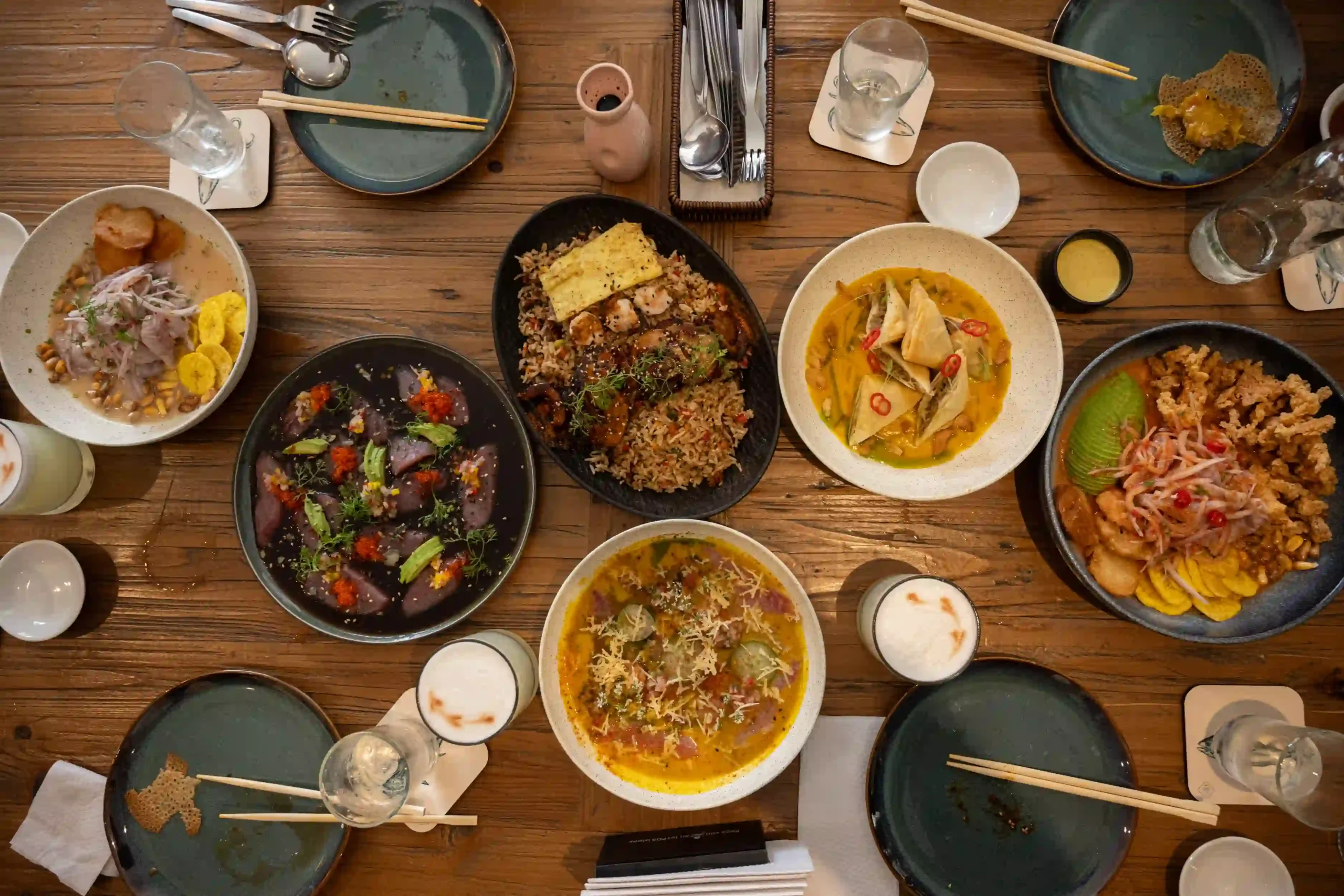
Why Peruvian Food is the Best in the World (And the Dishes You Must Try)
It is a well-known fact: Peruvian gastronomy is consistently ranked as some of the best in the world. And naturally, with that kind of global prestige comes a lot of questions for anyone planning a trip: Is Peruvian food spicy? What exactly makes it stand out on a global scale? What about nikkei cuisine?
As a traveler and a massive food lover, this guide is my way of answering all the questions I had when I first started exploring this culture. As I always say, food is never just food. It is a social event, it is living history, and it is the result of the soil, ingredients, migration waves, and rituals that shape a country.
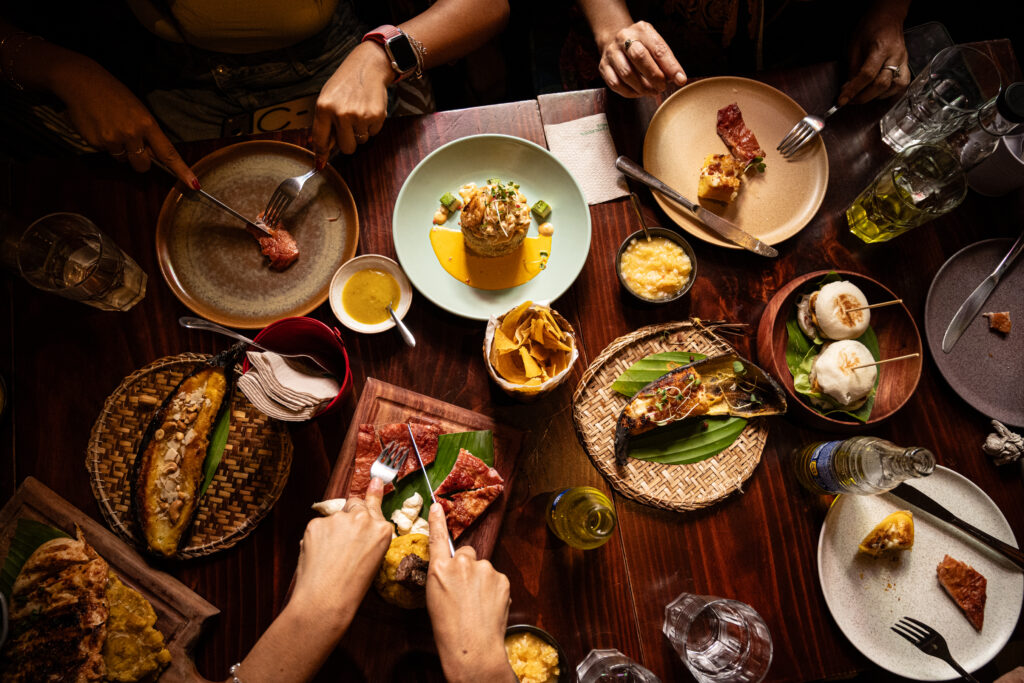
In Peru, this runs even deeper. Gastronomy here has proven to be a true tool for social transformation. We are talking about a country where children dream of becoming great chefs instead of soccer players, and where extreme biodiversity meets the deep pride of its farmers and fishermen every single day.
That is why in this guide, we are not just going to talk about how incredibly delicious the cuisine is. We are going to understand it. I am going to break down the secrets behind the flavors, and then I will tell you exactly what dishes you need to eat during your stay in Lima so you do not miss a single thing.
The Superpower: Peru’s Native Ingredients and Biodiversity
Peru is famously divided into three immense worlds: the Pacific Coast, the Andes mountains, and the Amazon rainforest. This extreme geography creates an unmatched biodiversity; long before a chef even touches a pan, the ingredients have already done half the work.

The Coast and the Abundance of the Pacific
Beyond being a world-renowned surfing capital, Lima sits on one of the richest fishing grounds in the world thanks to its cold ocean currents. This is the cradle of the firm white fish, octopus, and shellfish that flood the morning markets and the city’s lunch tables. In Lima, the culinary philosophy guided by the Pacific is clear: the catch of the day is eaten incredibly fresh, never heavily cured, stored, or masked with thick sauces. It gives the world a masterclass on how to treat the ocean’s bounty in its purest state.

The Andes and the Ancient Pantry
Long before the Spanish arrived, Indigenous populations had already mastered high-altitude agriculture, creating a pantry that sustains the entire country today. Peru is the original home of the potato, harboring thousands of native varieties with completely different colors, textures, and starch levels. Add to this choclo (a giant, tender, and deeply savory corn) and high-energy grains like quinoa that grow thousands of feet above sea level.

The Peruvian Ají: A flavor flame, Not a Wildfire
One of the most common questions travelers ask before visiting is: Is Peruvian food spicy? Unlike other cuisines where chilies are used to overpower a plate, in Peru, ají is pure color, perfume, and depth. As someone who absolutely loves spicy food, what fascinates me about Peruvian peppers is that they do not sting in an annoying or invasive way. They bring the heat, yes, but they allow you to actually taste every single layer of the recipe without burning your palate. Varieties like the fruity ají amarillo (the backbone of local stews), the citrusy ají limo (essential for ceviche), and the intense Andean rocoto act as conductors of flavor, rather than a raging wildfire.
The Amazon as the New Culinary Frontier
While the coast and the Andes dominate the classics, the immense rainforest is transforming Lima’s high-end dining in fascinating ways. Beyond its incredible exotic fruits (which we will cover in detail later), the Amazon brings unique herbs and is home to entire communities that have changed their history. Many farmers transitioned from growing illicit crops to producing high-quality cacao that now shines in global gastronomy.
The 5 Forces Shaping Peruvian Gastronomy
To truly understand what to eat in Lima, you first need to understand who built its kitchens. The sheer diversity of the city’s menu does not just come from its geography; it comes from the magic that happened when different civilizations applied their techniques to those native ingredients. Lima did not erase incoming cultures, but absorbed them.

Every dish, street food cart, and market stall in this city is supported by at least one of these five cultural forces:
Indigenous & Andean Foundations
This is the baseline of survival and agriculture in Peru. Long before any outside influence arrived, pre-Columbian cultures had already worked the land. They provided the unmatched pantry that is the core of the Peruvian diet today: the thousands of potato varieties, quinoa, choclo, and the ají peppers. Without this intimate connection to the earth, Peruvian cuisine simply would not exist.
Spanish Colonial & Criollo Cuisine
With the arrival of the Spanish, the local pantry collided with European ingredients like dairy, wheat, onions, garlic, and citrus (which, spoiler, would eventually change the history of ceviche forever). While this collision of worlds happened across all of Latin America in countries colonized by Spain, in Peru, the resulting fusion reached extraordinary depths. It gave birth to criollo (creole) cuisine. Historically, the term «criollo» referred to people of Spanish descent born in the Americas, but in the kitchen, it represents the mix of cultures: Spanish cooking methods seamlessly blended with Indigenous ingredients and, eventually, African flavors. This rich cultural melting pot is responsible for Lima’s famous creamy, comforting stews, as well as a deep tradition of convent-style pastry making that still sweetens the city today.
Afro-Peruvian Influence
Without a doubt, Lima’s street food has strong Afro-Peruvian roots. Enslaved populations, who were often given only discarded cuts of meat or offal, used charcoal fires, spices, and immense creativity to invent deeply flavorful dishes. This is the heritage of resilience and flavor that still rules Lima’s nights around the glowing street grills.
Chinese Migration (Chifa)
If you are looking for the true, everyday comfort food in Peru, you will find it in the «Chifa.» The massive wave of Chinese migration brought the wok, high-heat cooking techniques, ginger, and soy sauce (known locally as sillao). Instead of remaining an isolated cuisine, immigrants integrated their techniques directly with native potatoes and ají. The result is not a trendy «fusion». It is the daily food of all Peruvians.
Japanese Migration (Nikkei)
Last but certainly not least, Japanese migration transformed Lima’s relationship with the ocean. Immigrants brought unmatched precision in knife work and a profound respect for raw fish. Before their arrival, fish for ceviche was often marinated for hours; Japanese techniques shortened the curing times, prioritizing freshness and texture. This integration, known as Nikkei cuisine, is currently booming in the fine-dining scene and is widely considered one of the world’s favorite culinary fusions. Today, this precise, umami-rich cooking style is largely responsible for elevating Lima to its current status as a global gastronomic powerhouse.
Where to Eat in Lima: The 5 Types of Restaurants You Need to Know
Deciding where to eat in Lima can feel as vast and overwhelming as the country itself, especially with so much information out there. But do not worry. To experience the city like a true insider, you just need to know how to read its streets.
Lima, like every other city in the world, eats in very distinct formats.

Here are the clear keys and clues to help you recognize the five essential types of restaurants and choose exactly what fits your craving.
The Cevichería (The Coastal Rhythm)
This is a seafood-focused restaurant centering on raw or lightly cured catch, heavily influenced by Nikkei precision.
They operate on a strict daytime schedule, usually bustling at lunch and closing by late afternoon.
- Why choose it: Perfect when you want the absolute freshest daily catch and vibrant, citrus-forward flavors.
The Huarique (The Hidden Gem)
These are small, often hidden neighborhood spots known mostly by locals.
It operates by word-of-mouth. Look for an unassuming, often unmarked storefront packed with locals.
- Why choose it: Ideal when you want short menus based on deeply guarded family recipes, focusing on authentic regional or criollo comfort food. It is the perfect spot to experience incredibly generous portions at very affordable prices.
The Chifa (The Everyday Comfort)
This format seamlessly combines Asian methods and soy sauce with Peruvian ingredients.
These are characterized by the sounds and smells of flaming woks, high-heat cooking, and bustling dining rooms.
- Why choose it: Go here if you love Chinese food and want to experience it through a Peruvian lens.
The Contemporary Bistro or «Neo-Criollo»
They represent a modern Peru that shows culinary confidence without the need for stiff, white-tablecloth formality.
You’ll recognize by its casual but highly intentional atmosphere, often blending modern aesthetics with traditional touches.
- Why choose it: The right choice when you want refined, elevated versions of classic dishes. Expect to eat reinvented traditional comfort foods, like ají de gallina, or crispy croquettes filled with rich, historic stews.
The Anticuchería / Street Grill (The Night Shift)
They tell the powerful story of Afro-Peruvian resilience. As I said earlier, during colonial times, enslaved populations were given only discarded cuts that they would transform into culinary masterpieces. I do not want to romanticize this: it was not a culinary choice, but a way to survive and transform an awful reality. Yet, that sheer power of culinary alchemy and the capacity to invent new flavors out of hardship is exactly what brought us here, making this street-side grilling a central, communal part of Lima’s nightlife today.
You will find them easily by following the dense smoke, the smell of sizzling charcoal, and the crowds gathered on the sidewalks after dark.
- Why choose it: Centered entirely around the charcoal grill, this is exactly what you want for late-night, intensely flavored marinated cuts of meat and offal. You absolutely must order the Anticuchos de Corazón!
What Food is Peru Known For? 5 Must-Try Dishes in Lima
It is time to talk about what goes on the plate. These five dishes are absolutely non-negotiable if you want to truly experience Peruvian gastronomy, plus a few extra alternatives just in case you want to dive even deeper.
Classic Ceviche
Ceviche is not only the most famous dish in Peruvian gastronomy; but also my absolute favorite. I am not a big fan of fish, and yet, I am completely obsessed with this dish. It consists of fresh white fish briefly cured in freshly squeezed lime juice, seasoned with ají limo, salt, and thinly sliced red onion, served alongside camote and choclo.

Sensory-wise, it is a dish of endless stimuli. It truly has it all: a brilliant mix of textures and bold, vibrant tastes. You get the sharp, bright acidity of the citrus, the firm bite of the fresh fish, the crunch of the raw onion and the choclo, and the comforting, creamy sweetness of the sweet potato to balance everything out. And then there is the kick. It hits you with those citrusy, spicy notes, but as we talked about earlier, it is deeply flavored, not hot. It wakes up your palate.

Causa Limeña
At its core, causa is a bright, beautifully layered dish made from mashed native yellow potatoes seasoned with freshly squeezed lime and ají amarillo. In a way, it reminds me a lot of Dominican mofongo, and I know I am not the only one who thinks this, since even Luisito Comunica made the exact same comparison!
It acts as a soft, flavorful canvas that can be stuffed with chicken or avocado, but personally, I absolutely love it as an appetizer, especially when it is filled with fresh seafood. Served cold, it is incredibly refreshing and proves exactly how Lima elevates humble, native ingredients into elegant culinary staples.

Lomo Saltado
While it is born from the Chinese-Peruvian (Chifa) tradition, what you really need to know right now is how incredibly satisfying this plate is to eat. This is a smoky, hearty stir-fry of tender beef strips, crunchy red onions, and thick wedges of tomato, all tossed in a flaming wok with soy sauce. The high heat gives the meat that irresistible, charred flavor. But the absolute best part is the unapologetic carb-on-carb perfection. The dish is served with a massive portion of crispy french fries tossed right into the savory gravy, soaking up all those incredible wok juices, right alongside a mound of white rice. It is rich and of course, messy.

Tiradito
Tiradito exists because of Japanese migration. While ceviche uses cubed fish that cures in citrus, tiradito features sashimi-style, thinly sliced raw fish that is covered in vibrant, ají-based sauces right before serving, meaning there is virtually no curing time. It highlights delicate knife work and umami over acidity. This dish is the clearest proof of how Lima absorbs incoming cultures.

Ají de Gallina
This is colonial Lima on a plate. Ají de Gallina is a rich, creamy shredded chicken stew made with a base of ají amarillo (i know, it is everywhere), milk, bread, pecans, and parmesan cheese. It is a brilliant example of how European ingredients (like dairy and wheat) were layered over Indigenous chilies to create something deeply comforting. Often served with rice, boiled potatoes, and black olives, it is the definition of Sunday family dinners in Peru.

Peruvian Street Food and Market Culture
Lima’s informal dining operates on two very distinct clocks: the late-night glow of the street carts and the early morning hustle of the local markets.

Anticuchos (The Street Cart Origins)
I know I already mentioned Anticucherías as a specific type of restaurant earlier, which might cause a bit of confusion. Here is the deal: anticuchos started strictly as street food. People would set up a small charcoal grill cart on a street corner and serve these marinated, flame-grilled beef heart skewers directly to the crowds. Over time, they became so wildly popular that permanent, sit-down restaurants were built around that exact same concept. Today, they exist as both. You can sit down in a neighborhood spot, or you can do it the classic way: standing on the sidewalk, following the dense smoke, and eating this tender, smoky, and intensely savory bite right off the street cart.

Pan con Chicharrón (The Market Breakfast)
If the carts own the night, the bustling local markets and sandwich shops own the morning. The king of Peruvian breakfast is the Pan con Chicharrón. This sandwich is a complete masterclass in contrasting flavors and textures. You get thick cuts of savory, incredibly crispy fried pork belly paired with soft, sweet slices of fried sweet potato, all tucked into a crusty bread roll. To cut through the richness of the pork, it is topped with a sharp, fresh relish made of thinly sliced red onions and lime juice. It is salty, sweet, crispy, and acidic all at once. Pair it with a strong, high-quality cup of properly roasted coffee (none of that cheap, sugar-roasted stuff) and you have the absolute best fuel for a day of exploring the city. Just a quick heads-up, though: if you come from a country where breakfast is usually just a simple piece of toast, you might want to take it easy. It is incredibly delicious and as local as it gets, but definitely listen to your body when tackling a massive fried pork sandwich first thing in the morning!
Peruvian Sweets, Desserts and Fruits to Try
Peruvian food is globally famous for its savory dishes, not necessarily its sweets. But make no mistake: Lima has a massive sweet tooth with more than enough to satisfy your sugar cravings. I know I am starting to sound like a broken record here, but we are back to the exact same story that built the rest of the city’s food scene: European techniques colliding with native ingredients. In this case, the city’s dessert culture is largely a direct legacy of the Spanish colonial era, where nuns in convents adapted their traditional pastry methods using the incredible abundance of the Peruvian pantry. Here is exactly what you need to look for.
Picarones (The Street Sweet)
This is Peru’s undisputed street dessert champion. Think of it as a local doughnut, but instead of regular flour, the dough is made from a mix of local squash and sweet potato. The vendor quickly fries them into crispy, airy rings and instantly drenches them in a dark, rich, spiced syrup made from raw sugar cane (chancaca). Eating these warm, sticky, and completely addictive treats while standing on the sidewalk is the perfect way to close out a night in Lima.
Suspiro a la Limeña (The Colonial Sugar Rush)
Translated as the «Sigh of a Lima Lady,» this dessert is the ultimate expression of the city’s colonial refinement. The bottom layer is a rich, silky caramel called manjar (similar to a traditional dulce de leche, made by slowly reducing milk and sugar until it thickens). It is then topped with a cloud of port-wine-infused meringue and a sprinkle of cinnamon. I will be honest: it is intensely, unapologetically sweet. I highly recommend ordering it alongside a strong coffee; the bitterness of a good brew balances the sugar rush.

Mazamorra Morada & Arroz con Leche (The Perfect Contrast)
Why choose one dessert when you can have two in the same bowl? Known locally as «El Clásico,» this is the ultimate Peruvian dessert. On one side, you get Arroz con Leche, a rich, heavy, and spiced rice pudding. On the other side, you get Mazamorra Morada, a thick, jelly-like pudding made by boiling native purple corn with pineapple, apple, cinnamon, and cloves. The true magic happens right in the middle of the bowl, where the bright, fruity acidity of the purple corn cuts directly through the heavy creaminess of the rice.
Exotic Peruvian Fruits
While not technically desserts in the traditional sense, Peru’s exotic fruits are an absolute delicacy and a crucial part of the morning market routine and dessert menus. These are insanely delicious, highly unique fruits that you simply will not find in most other parts of the world.

My absolute favorite was the Chirimoya. It is a green, scale-covered fruit with a creamy, custard-like center, and eating it is a wild sensory experience because it literally tastes like a blend of several different fruits at once (kind of a banana, pineapple, and strawberry mix).
Beyond that, keep your eyes peeled for Lúcuma, which tastes exactly like a mix of caramel and sweet potato when blended into ice cream, or grab a Granadilla to slurp up its sweet, jelly-like seeds for a quick morning snack. If you are exploring the markets, you will also find a massive bounty of Amazonian and Andean flavors, like the ultra-acidic Camu Camu, the tart Aguaymanto (golden berry), or the Pacay, an elongated pod filled with sweet fuzz known as the ice cream bean.
The Peruvian Bar: What to Drink in Lima
You simply cannot analyze a country’s gastronomy without looking at what they pour into the glass. Drinks are not just an afterthought used to wash down the food; they are an integral part of the culinary identity. Here are the three pillars of the Peruvian glass you need to know.

Pisco Sour (The Heavy Hitter)
This is like the national cocktail. It is made with Peruvian Pisco (a potent, unaged grape brandy), freshly squeezed lime juice, simple syrup, a raw egg white for texture, and a few drops of Angostura bitters resting on the foam. It is thick, aromatic, perfectly balanced between sweet and sour, and packs a massive punch. You absolutely have to order it at least once to experience the classic, but be careful, they go down dangerously easy, and the alcohol hits hard.

El Chilcano (The Local’s Choice)
Here is a tip: tourists drink Pisco Sours all night, but locals switch to Chilcanos. This is a much simpler, incredibly refreshing highball made with Pisco, ginger ale, a squeeze of fresh lime, and lots of ice. Because it skips the heavy egg white and thick sugar syrup, it is highly drinkable and pairs far better with a massive, hearty dinner. It acts as the perfect, fizzy palate cleanser between bites of intense, spicy food without making you feel uncomfortably full.
Chicha Morada (The Everyday Staple)
If you are not drinking alcohol, or if you are just sitting down for a standard midday lunch, this is exactly what will be on your table. Chicha Morada is a non-alcoholic beverage made by boiling native purple corn with pineapple rinds, apple, cinnamon, and cloves, served ice cold with a squeeze of lime. It is sweet, spiced, fruity, and visually striking with its dark, inky purple color. I’d say it is the everyday fuel of the city.

Sherpa Food Tours: Decode the Culinary DNA of Lima
Navigating Lima’s food scene is a dream for any traveler (or foodie), but let’s be honest: it can also be incredibly overwhelming. You can read all the guides in the world, but truly understanding how Japanese precision, Chinese wok techniques, and ancient indigenous ingredients created the world’s best food destination requires more than just a dinner reservation.
That is exactly why we created the Lima Foodie’s Adventure.
At Sherpa, we do not just hand you a plate of food and point at a building; we take you right to the source. In just under four hours, our small-group walking tour bridges the raw grit of local markets with the sophisticated pulse of modern Lima, turning a series of meals into a masterclass on Peruvian identity.

What to Expect on Our Culinary Journey
The adventure kicks off at the bustling Surquillo Market, where we dive into a sensory tasting of rare, mind-bending exotic fruits straight from the Andes and the Amazon. From there, we trace the country’s culinary evolution across more than 10 curated tastings. You will experience the deep comfort of traditional Criollo home cooking at a modern huarique, and then step into the cutting-edge world of Nikkei fusion for flawless seafood paired with our flagship Pisco.
The tour then takes a wild turn to introduce you to untamed ingredients brought directly from the rainforest, before finally wrapping up with a refreshing, handcrafted dessert while looking out over the Pacific Ocean.


This is a moving dinner party led by an expert local host who handles every single detail. All you have to do is show up, relax, and eat. By the end of the tour, you will not just know what to order for the rest of your trip; you will finally understand exactly why Peruvian gastronomy dominates the global stage.
Ready to explore the culinary capital of the world? Join us at the table.
